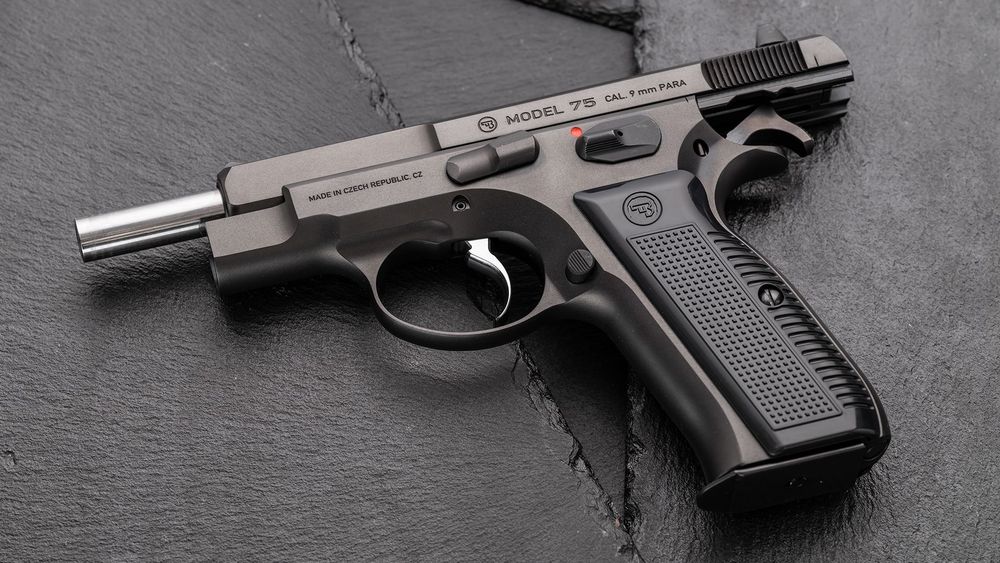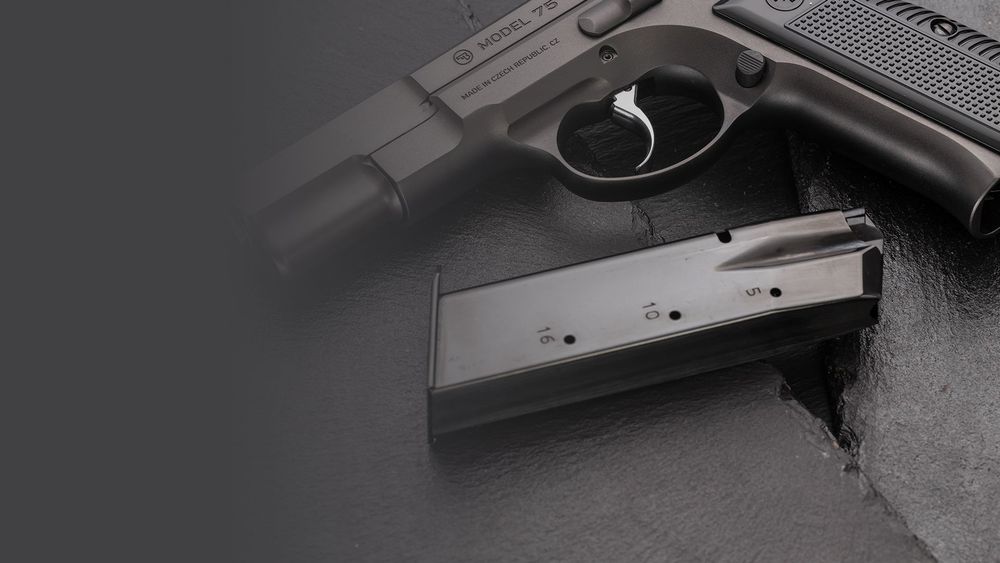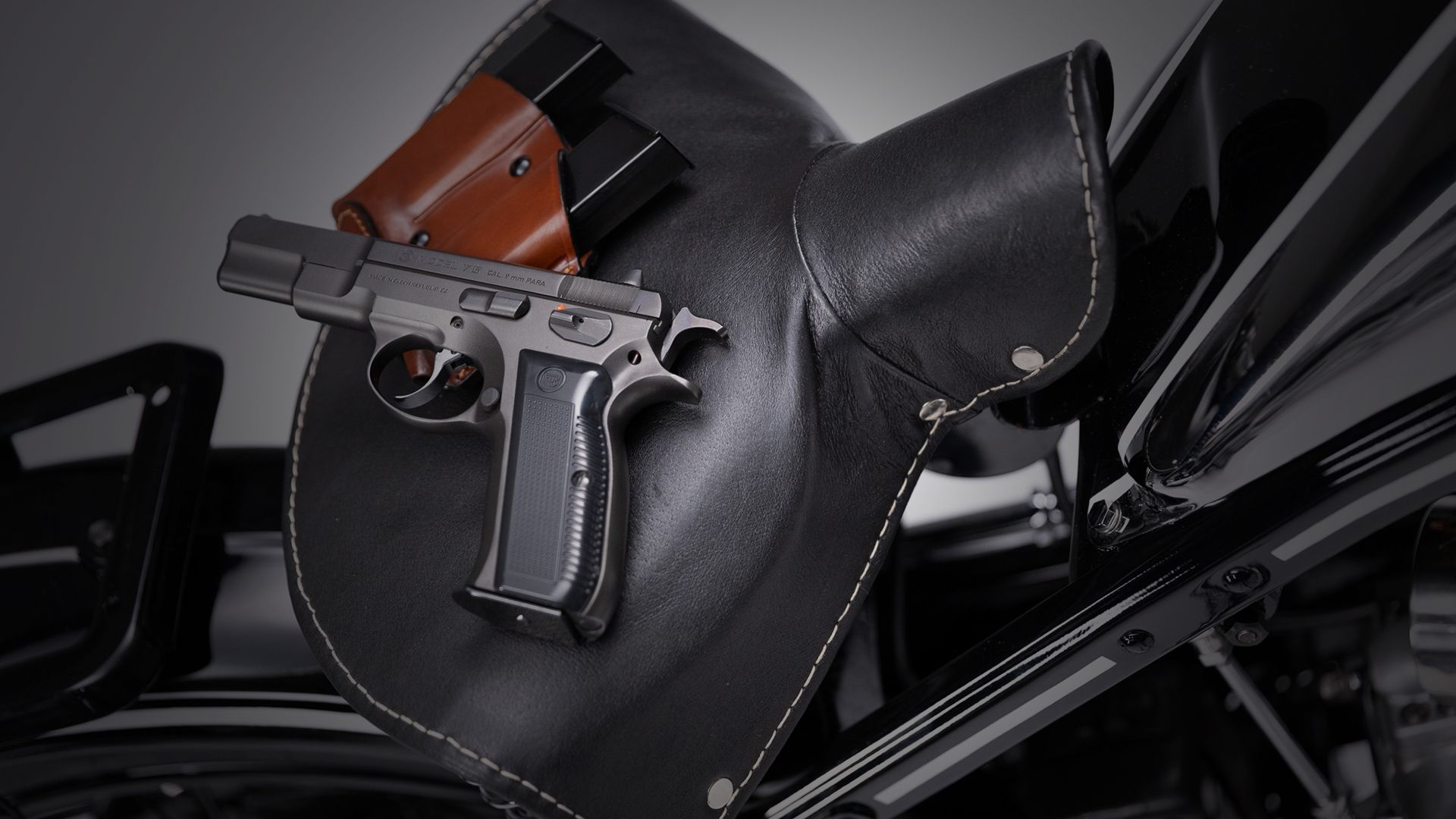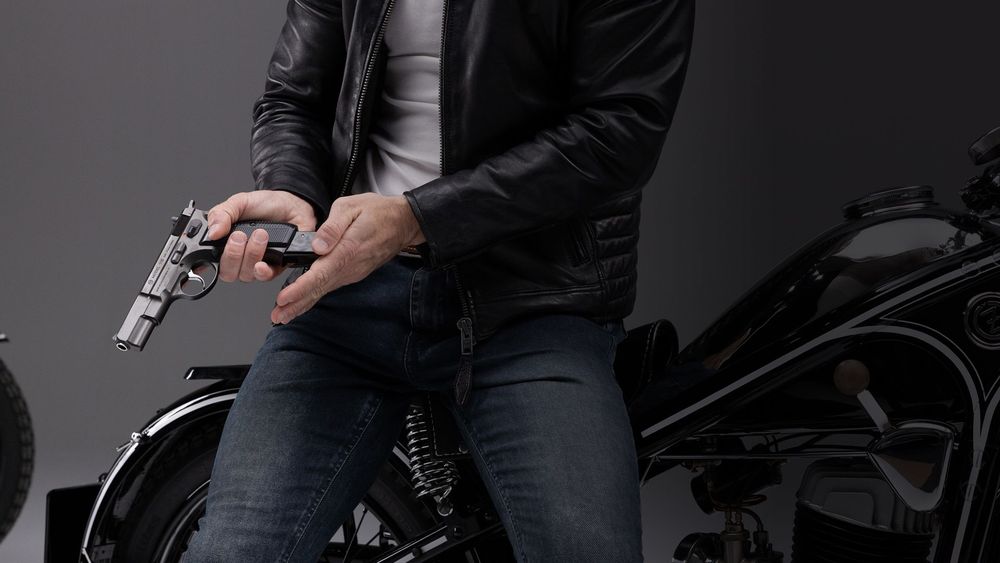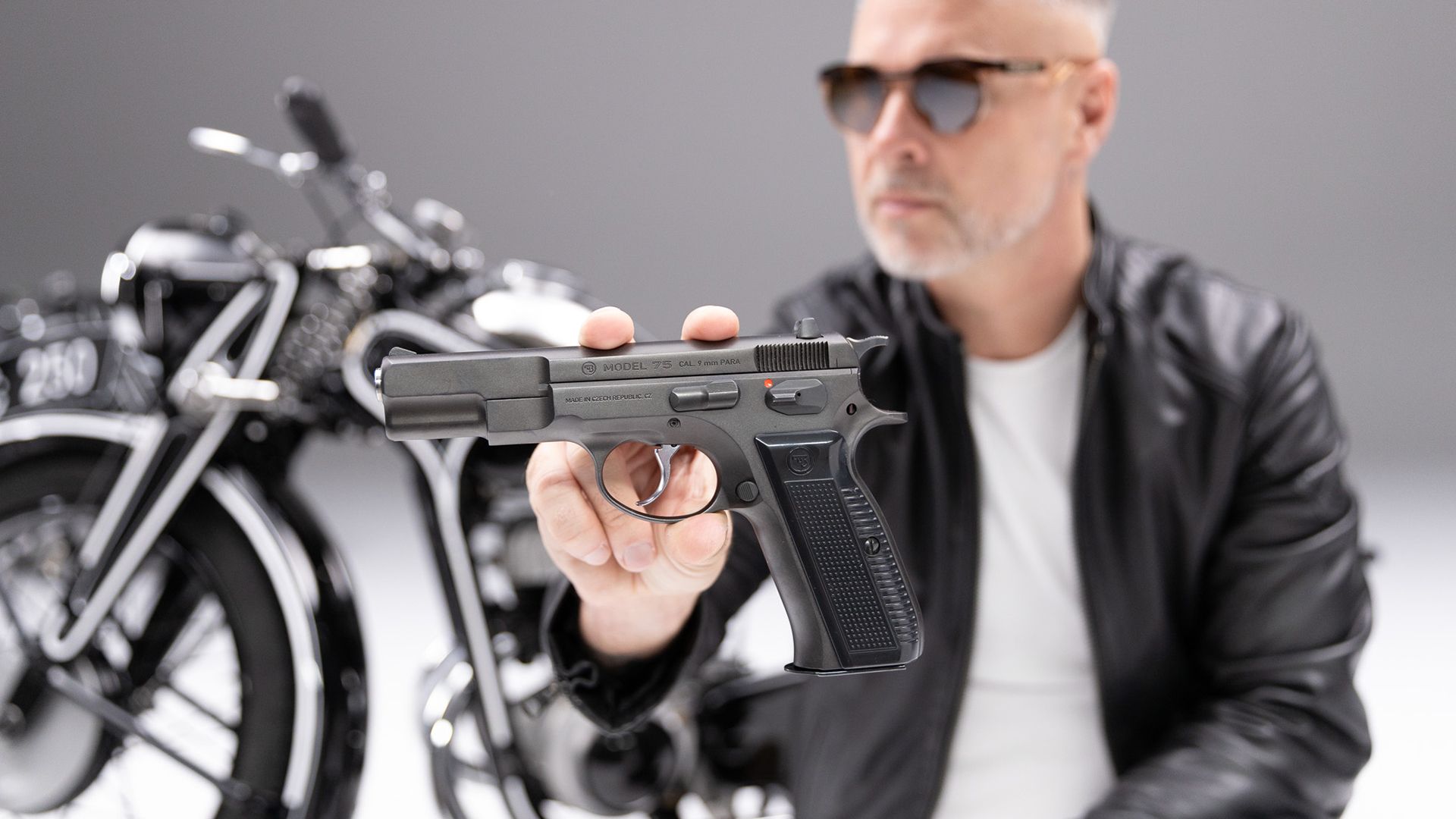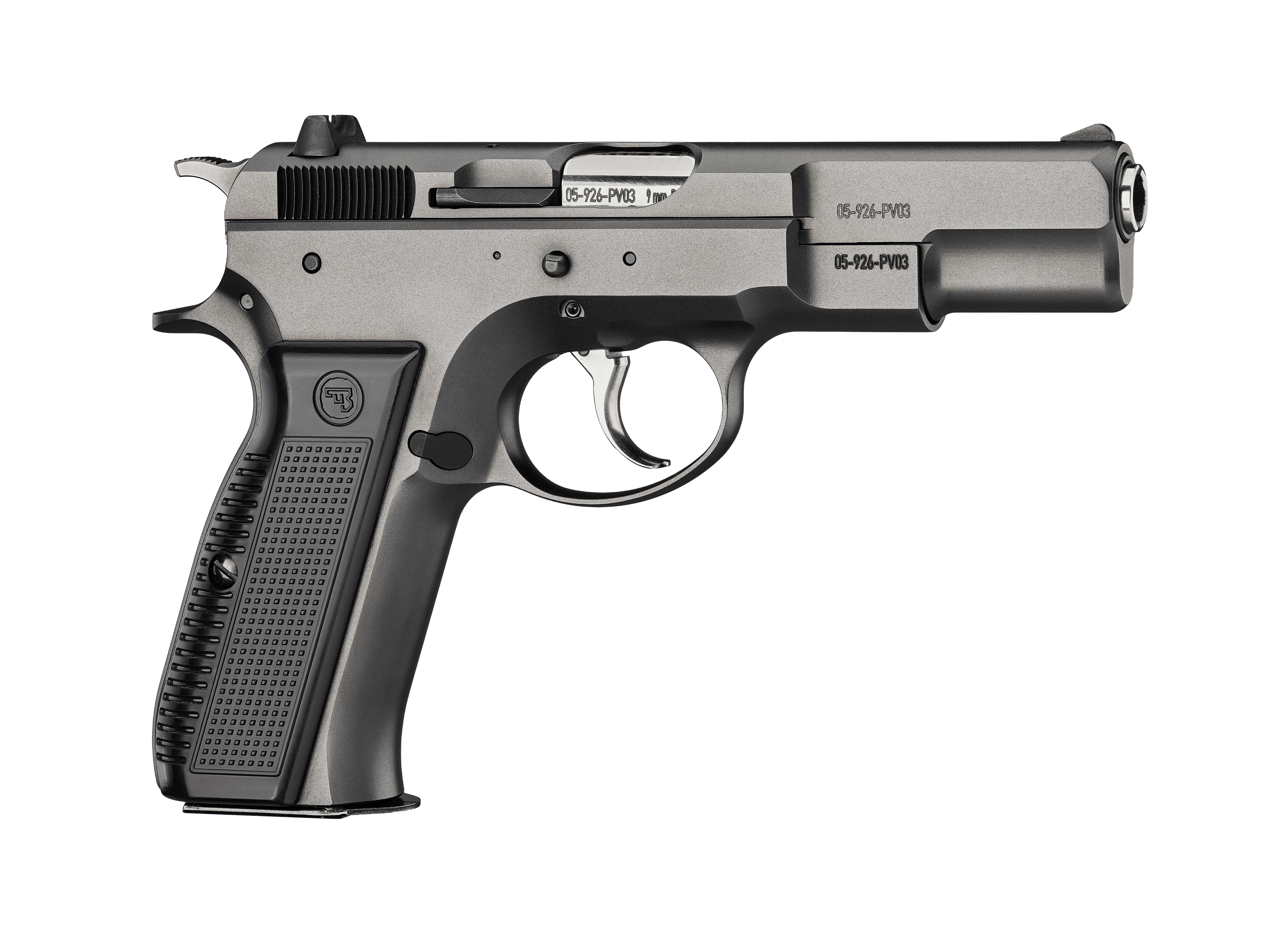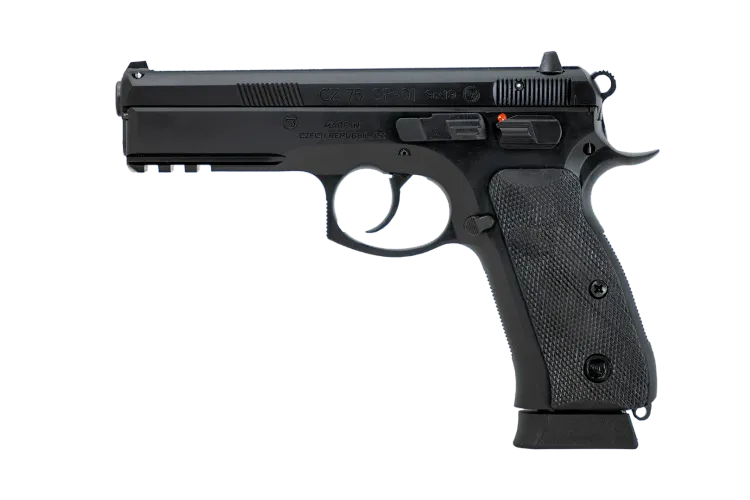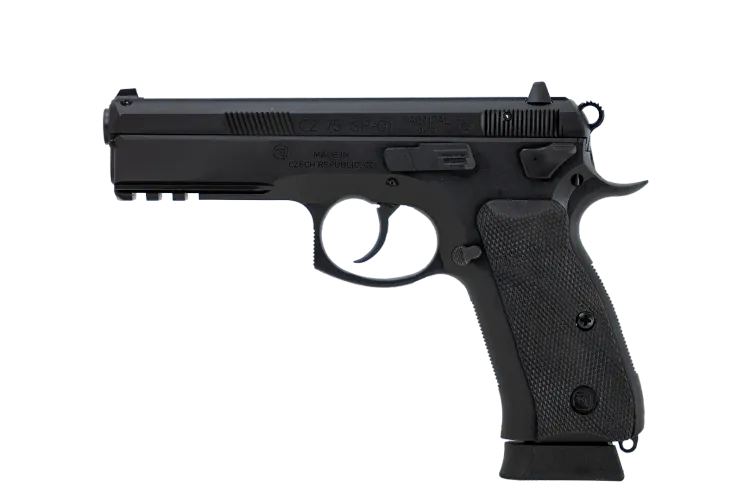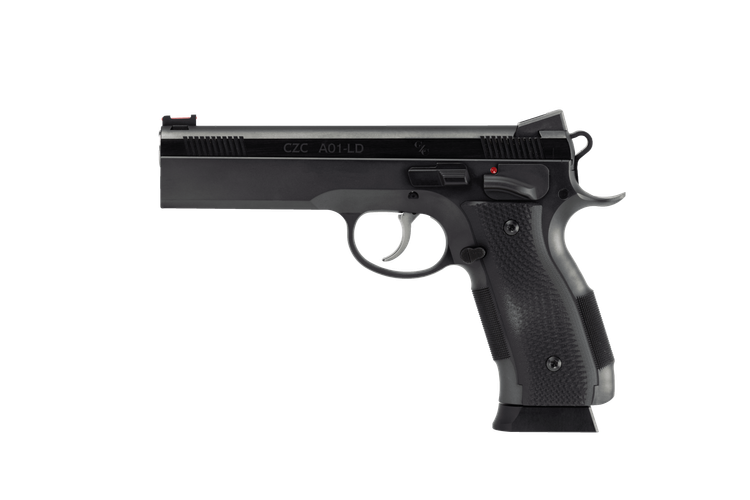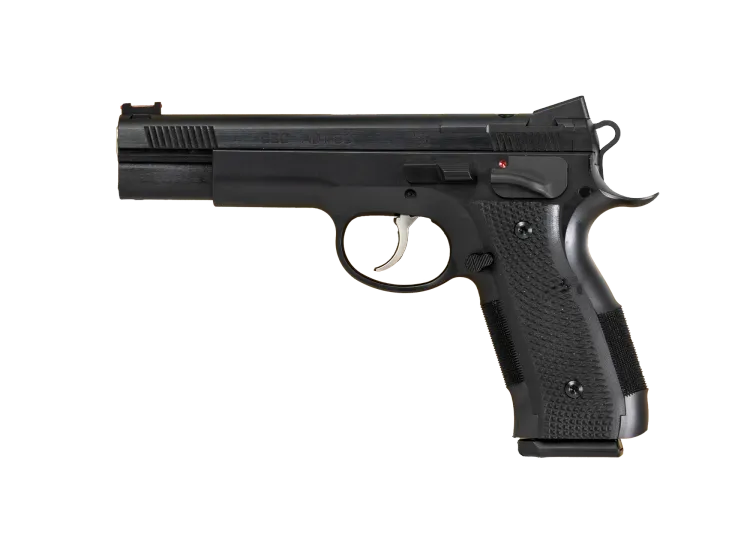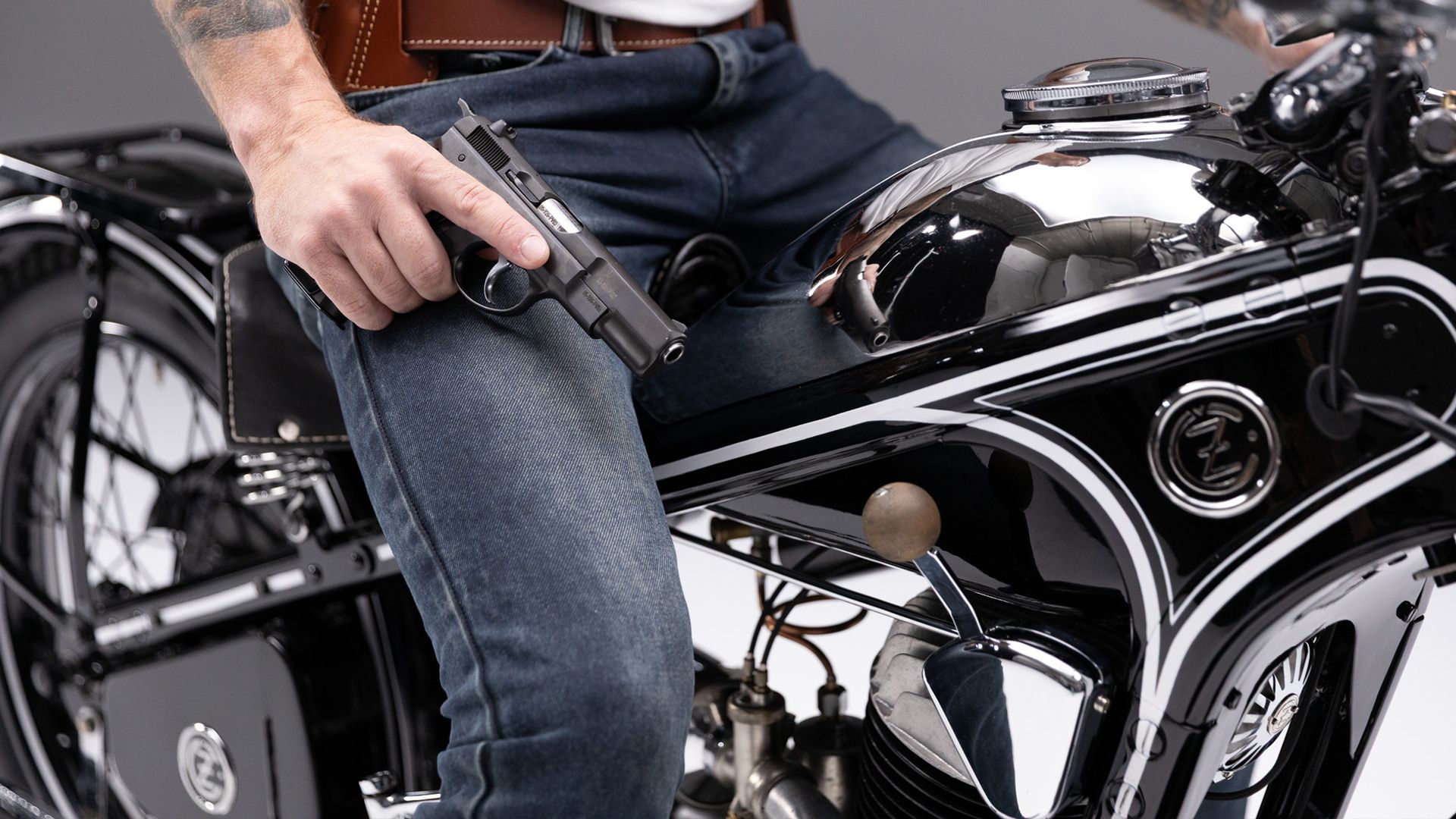
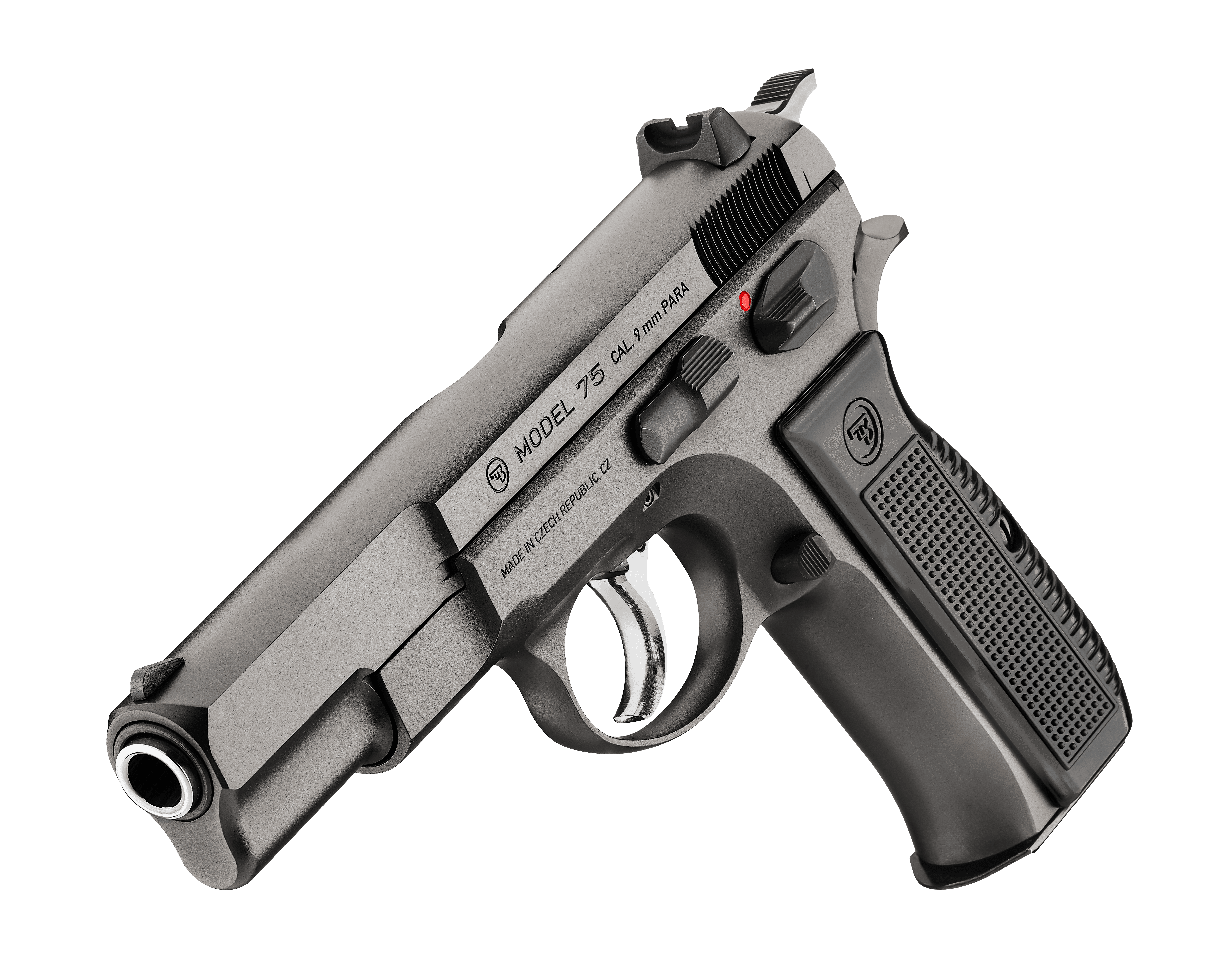
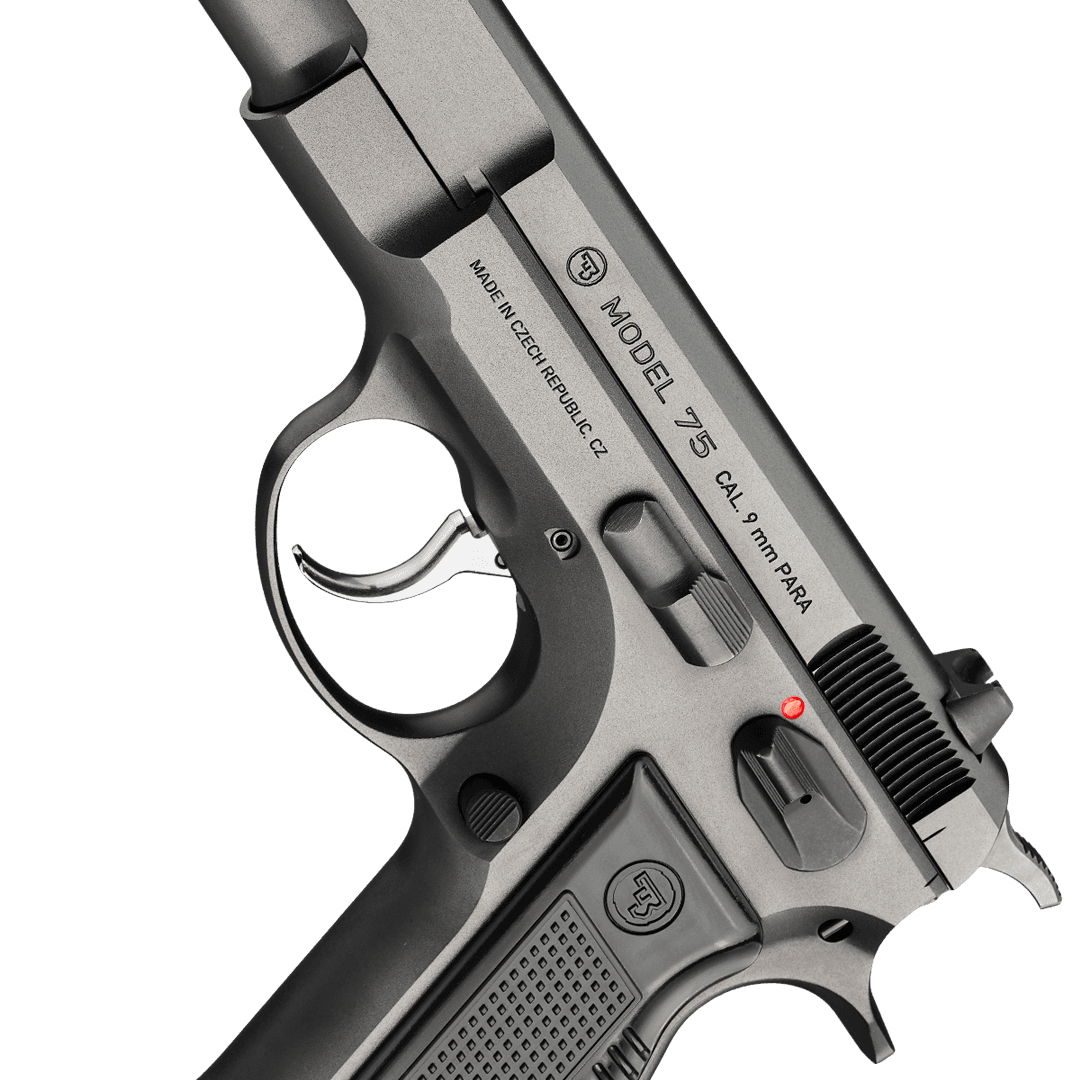
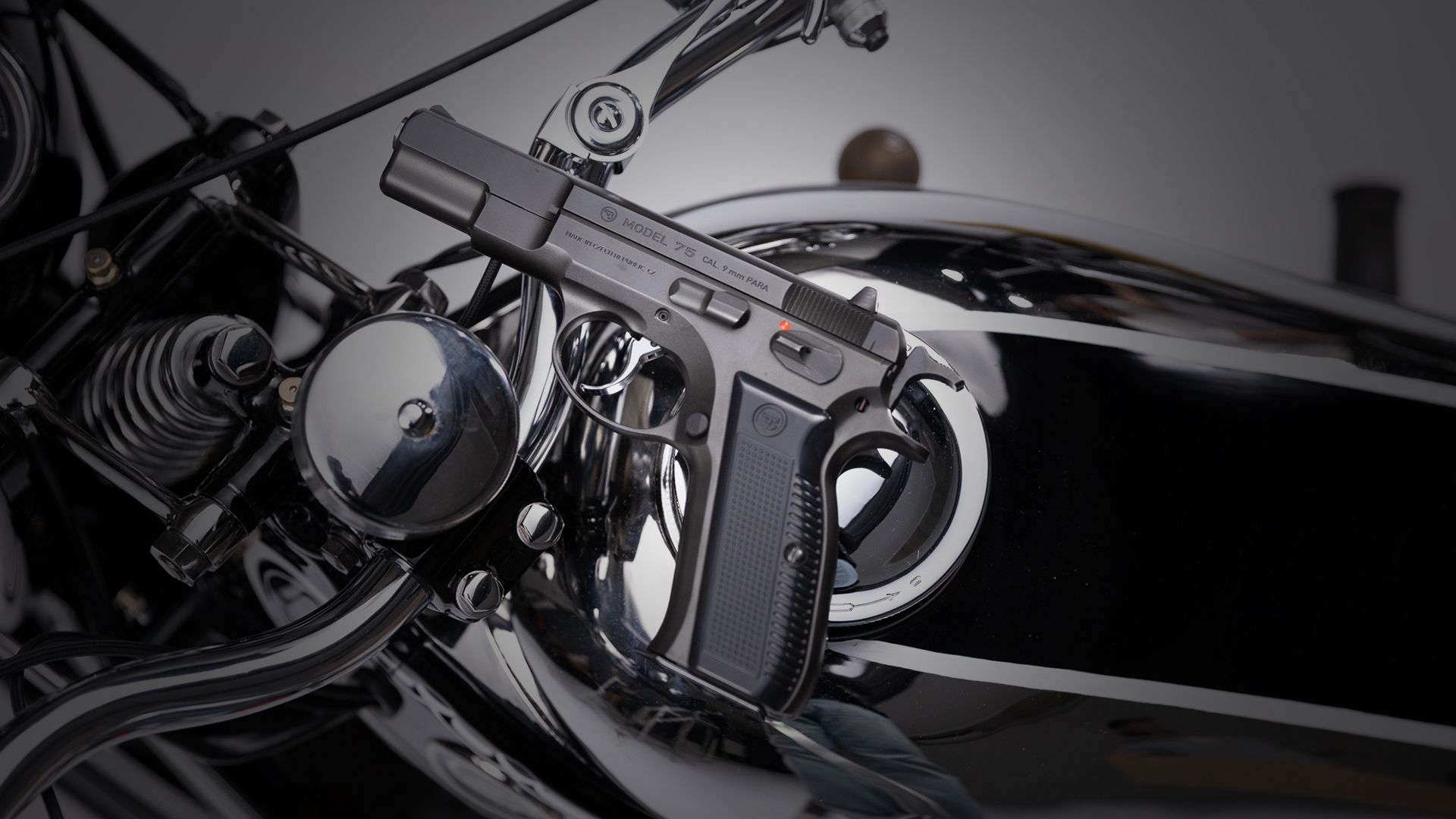
__CZ__ **75 LEGEND**
LEGEND

Technical specification

Units

Trigger mechanism

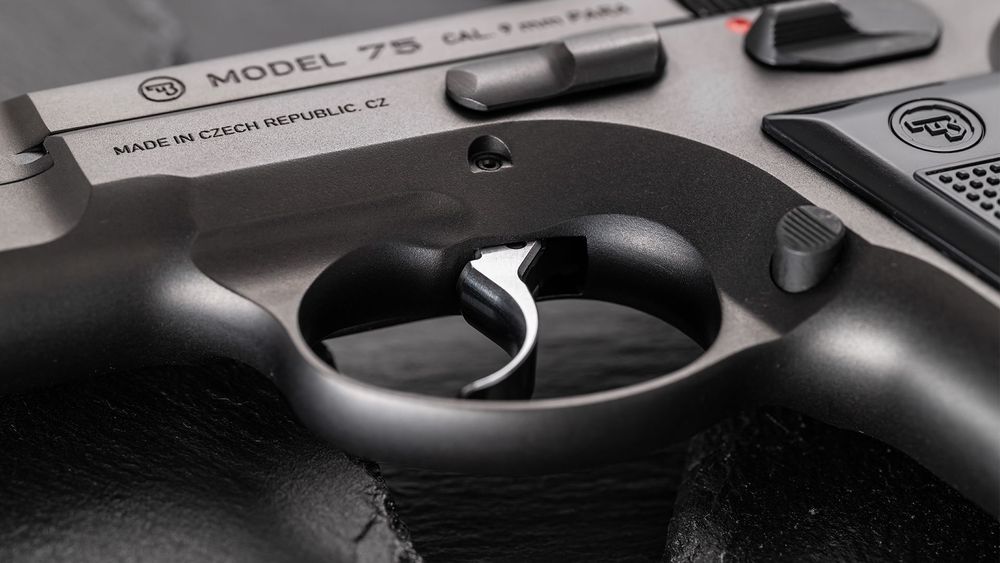
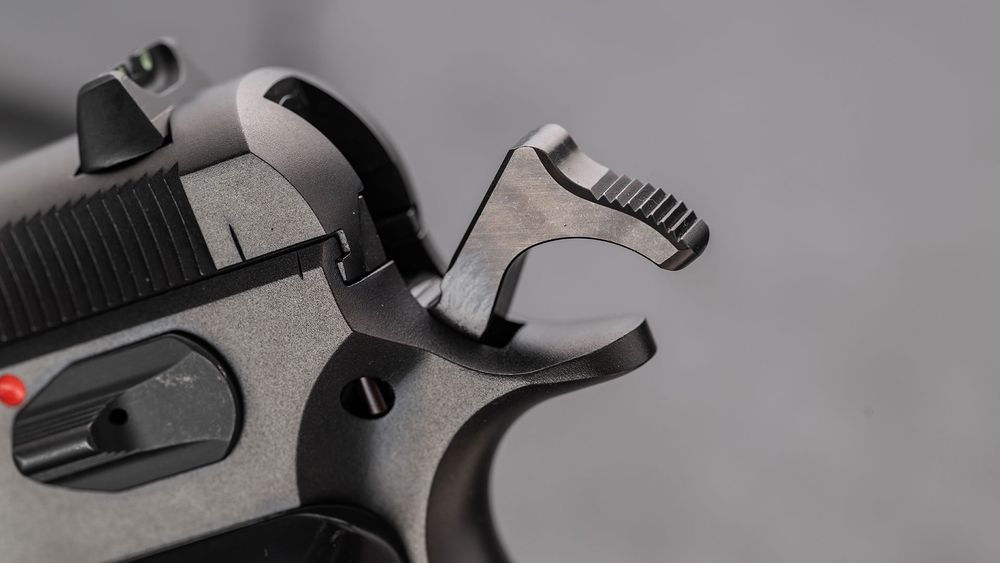
Patented SA/DA trigger with consistent pull

Desigm

Original design as introduced in the 1970s

Ergonomy

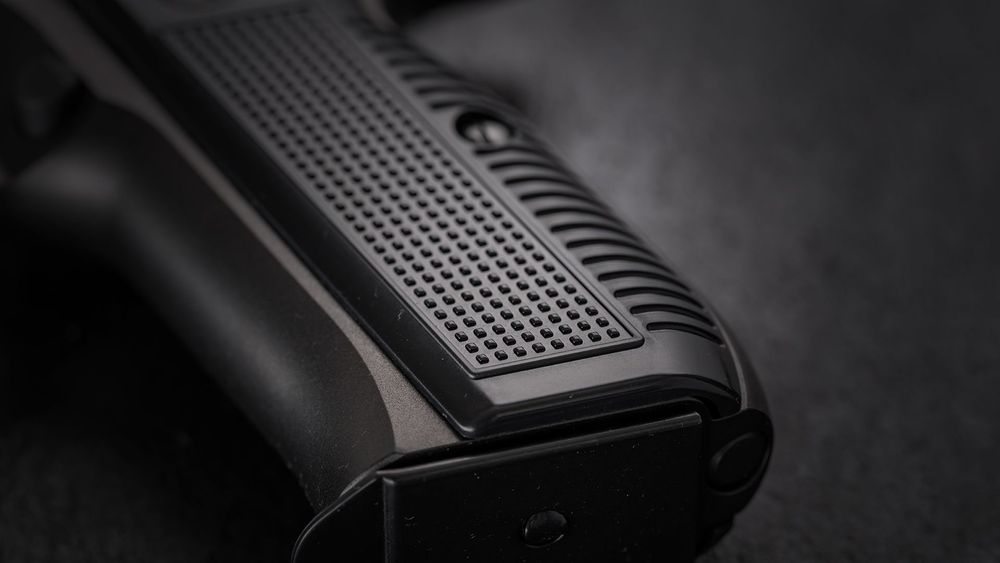
Exceptional ergonomics and natural grip

Earning the status of a legend takes more than excellence. 

You have to be far ahead of your time. You have to be “one of a kind”, a true pioneer. And that’s exactly what the CZ 75 was – and still is.

A legend

Not an easy start

To understand why the release of the CZ 75 caused such a revolution in small arms design, we need to get back to the early 1970s. Back then, the 9 mm Luger started to phase out other cartridges from military and law-enforcement service. Sadly, this did not apply to former Czechoslovakia, which was a part of the Eastern Bloc. These countries relied mainly on the 9 mm Makarov. You may be wondering, therefore, why the Czechs designed the CZ 75 in 9 mm Luger? The answer is simple – it was supposed to replace the CZ 70 as a new export handgun, mainly for Western markets. And compared to this late 1940s design, the differences were night and day.
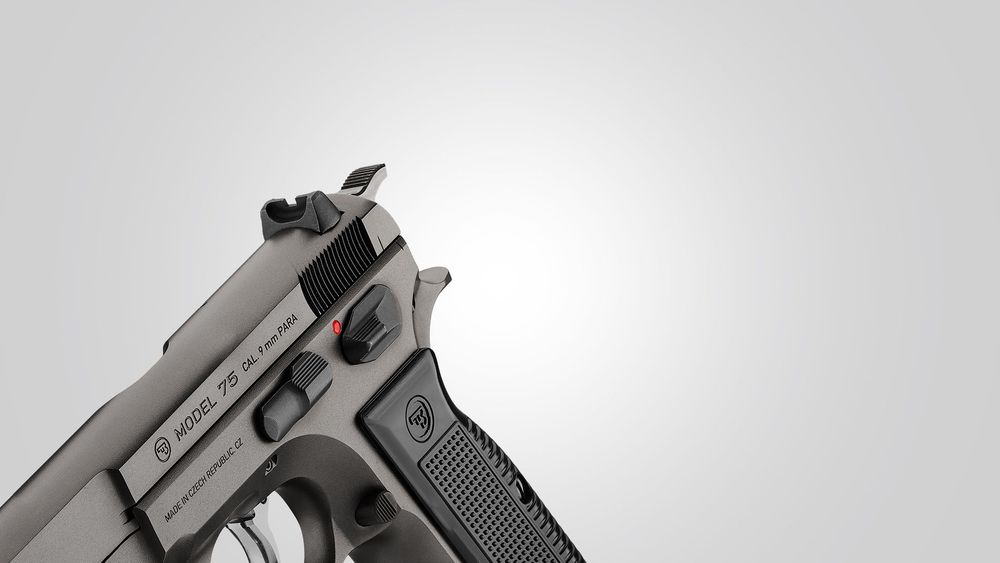
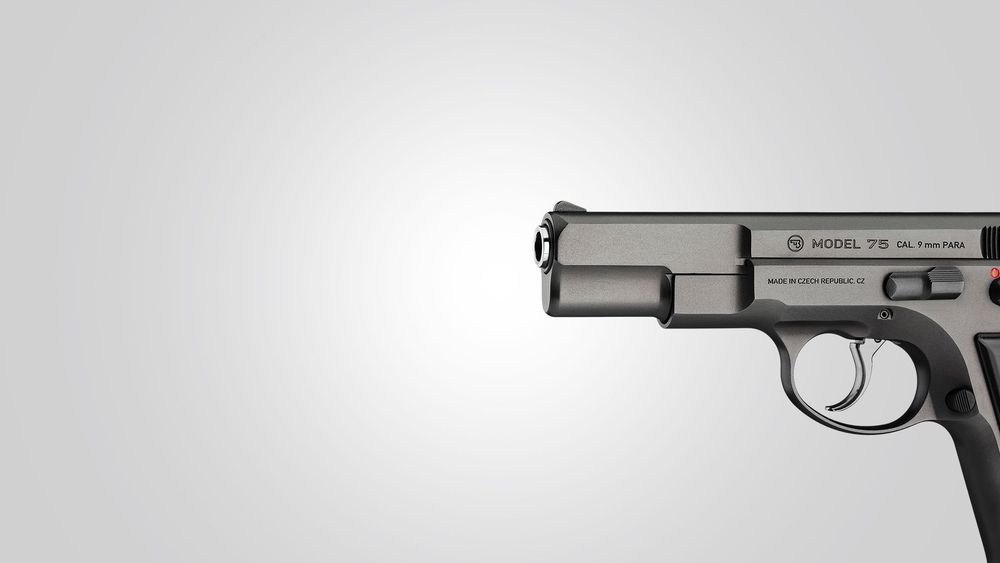
Ahead of its time

At the beginning of the 1970s, the term “Wonder Nine” was completely unknown. There were some very good handguns chambered in 9 mm Luger, but each of them were missing something. The Browning Hi-Power had good capacity, but the SAO trigger was not the best. The Walther P-38 was better with its SA/DA trigger, but the magazine capacity of only 8 rounds was insufficient – at least for emerging global threats like terrorism, organized crime, etc. The SIG P-210 offered great comfort, a good trigger, and superb accuracy. But the cost was expensive and it had no DA capability. Sounds like the only thing that had to be done was to combine these three guns. Well, not really.

The legend is born

František Koucký, the father of the CZ 75, was a very experienced firearms designer. 

He and his brother Josef were behind all sorts of successful firearms, including the ZK-383 submachine gun, the ZKK 600 hunting rifle, and the ZKM-452 bolt-action 22 LR rifles that paved the way for the current CZ 457 series. The CZ 75 was no doubt the pinnacle of his career. He designed the pistol as a retiree, but obviously, he managed to utilize all his experience and design genius.

Not an easy start
Not an easy start

To understand why the release of the CZ 75 caused such a revolution in small arms design, we need to get back to the early 1970s. Back then, the 9 mm Luger started to phase out other cartridges from military and law-enforcement service. Sadly, this did not apply to former Czechoslovakia, which was a part of the Eastern Bloc. These countries relied mainly on the 9 mm Makarov. You may be wondering, therefore, why the Czechs designed the CZ 75 in 9 mm Luger? The answer is simple – it was supposed to replace the CZ 70 as a new export handgun, mainly for Western markets. And compared to this late 1940s design, the differences were night and day.
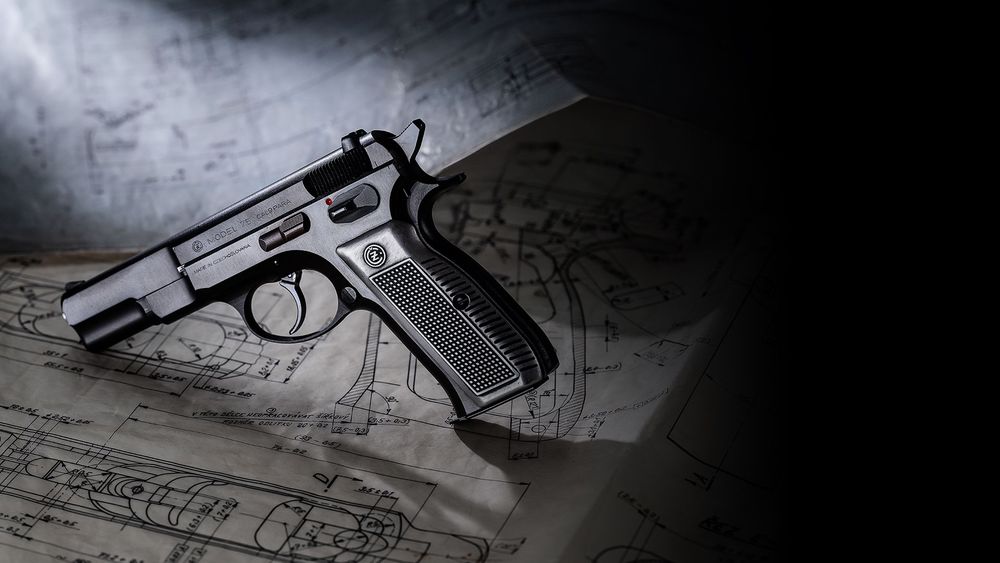
Ahead of its time
Ahead of its time

At the beginning of the 1970s, the term “Wonder Nine” was completely unknown. There were some very good handguns chambered in 9 mm Luger, but each of them were missing something. The Browning Hi-Power had good capacity, but the SAO trigger was not the best. The Walther P-38 was better with its SA/DA trigger, but the magazine capacity of only 8 rounds was insufficient – at least for emerging global threats like terrorism, organized crime, etc. The SIG P-210 offered great comfort, a good trigger, and superb accuracy. But the cost was expensive and it had no DA capability. Sounds like the only thing that had to be done was to combine these three guns. Well, not really.

The legend is born
The legend is born

František Koucký, the father of the CZ 75, was a very experienced firearms designer. 

He and his brother Josef were behind all sorts of successful firearms, including the ZK-383 submachine gun, the ZKK 600 hunting rifle, and the ZKM-452 bolt-action 22 LR rifles that paved the way for the current CZ 457 series. The CZ 75 was no doubt the pinnacle of his career. He designed the pistol as a retiree, but obviously, he managed to utilize all his experience and design genius.

The excellent grip
The excellent grip

is then supported by an easily accessible magazine release, slide release, and manual safety, all placed within reach, making operating the gun smooth and natural.

Where is the recoil?

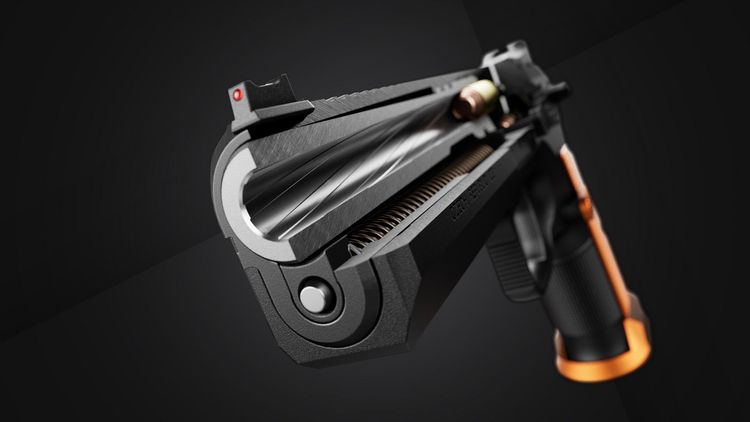
Another feature typical of all CZ 75-based firearms is mild recoil, allowing for fast follow-up shots. How was this done? Well, apart from the grip we already mentioned, it was a simple yet genius step. Slide rails are inverted. The slide does not travel “on” the frame but inside it. This solution was borrowed from the SIG P-210 and allowed for a higher grip combined with lower reciprocating mass. The result of this equation is very soft recoil.

Outstanding trigger
Outstanding trigger

One thing that very few 9 mm Luger handguns offered back in the day was a decent SA/DA trigger. Usually, the SA was good, or at least manageable. The DA was quite long, heavy, and caused real problems even for experienced shooters. František Koucký solved this problem in the most elegant way a designer can – by simplifying the system. 

He used a first-class lever instead of a second-class lever, which was the most common solution back then. That means you need to apply much less force to cock the released hammer, because you are pushing against it, not pulling a “linkage” forward.

This patented solution made the DA trigger much lighter and way more consistent.

Double the capacity in the same package

In the 1970s, the standard capacity of an average handgun was 7 or 8 rounds. A gun that stuck out was the Browning Hi-Power with its double-stack single-feed magazine accommodating 13 rounds of 9 mm. It does not seem like much by today’s standards, but even 50 years ago, it was a decent capacity. The CZ 75 magazine was inspired by the design of that magazine, adding two more rounds. That essentially doubled the usual capacity back in the day.

Double the capacity in the same package

In the 1970s, the standard capacity of an average handgun was 7 or 8 rounds. A gun that stuck out was the Browning Hi-Power with its double-stack single-feed magazine accommodating 13 rounds of 9 mm. It does not seem like much by today’s standards, but even 50 years ago, it was a decent capacity. The CZ 75 magazine was inspired by the design of that magazine, adding two more rounds. That essentially doubled the usual capacity back in the day.

The second most copied gun out there

You may be wondering why the CZ 75 was so widely copied all across the globe, making it the second most copied gun after another legend – the venerable M1911.

Well, part of the reason was simply that it was great. And it still is. 

What made copyright infringement easier was the fact that the gun had a very specific patent protection. It was patented, but the “ingenious” regime of Communist Czechoslovakia decided to keep the patents classified and thus unavailable to anyone else. Why? It was potentially military equipment. So there was a great gun and no patent to be found. So what do you do? Yes, you guessed that right.

Legacy of the Legend

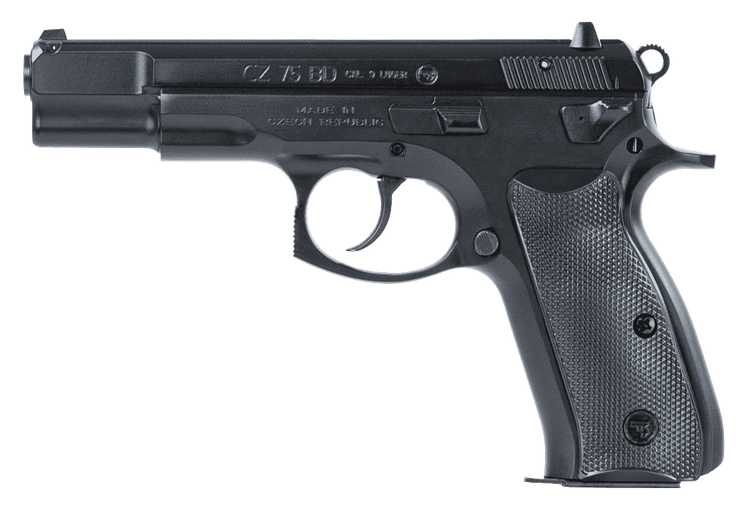
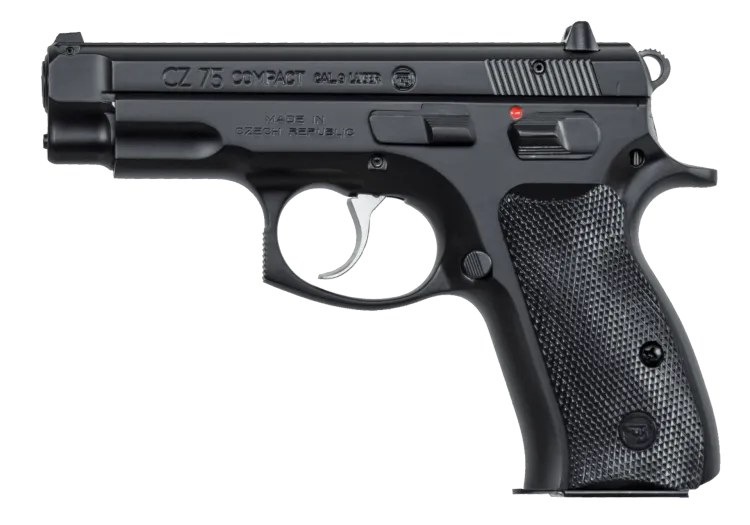
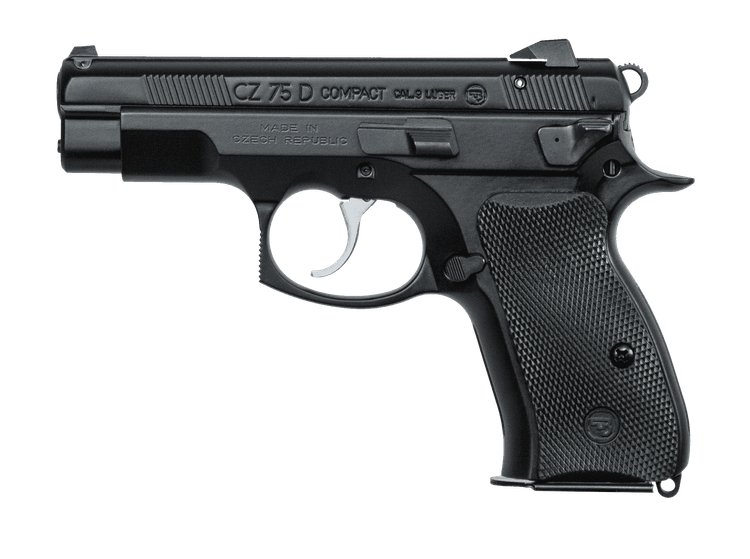
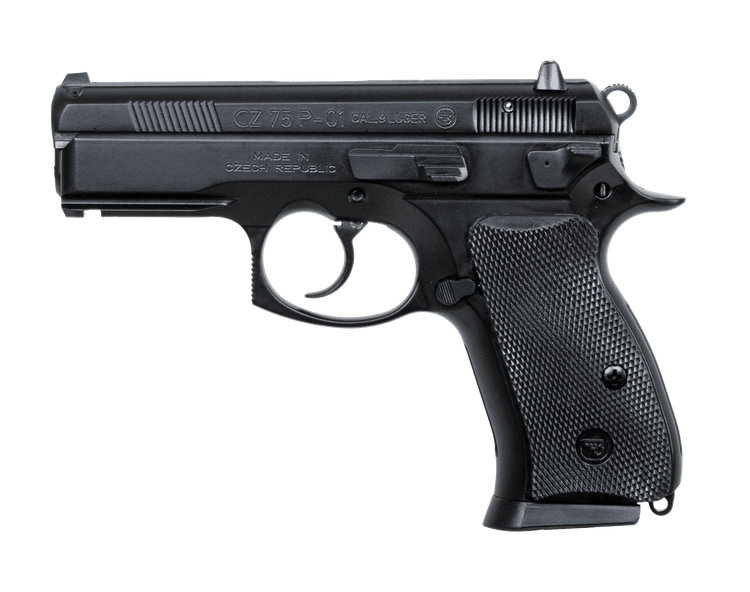
After the 1989 revolution in Czechoslovakia, the CZ company became independent of the government and started developing the original CZ 75 into more and more versions. First came the CZ 85 with ambidextrous controls. Then the Compact model, along with a refreshed CZ 75 B featuring a firing pin safety. Shortly after that, a BD model with a decocker instead of a manual safety was introduced. In the early 2000s, the CZ 75 D COMPACT rearmed the Czech Police, and it serves those who protect and serve well even today.

Legacy of the Legend

After the 1989 revolution in Czechoslovakia, the CZ company became independent of the government and started developing the original CZ 75 into more and more versions. First came the CZ 85 with ambidextrous controls. Then the Compact model, along with a refreshed CZ 75 B featuring a firing pin safety. Shortly after that, a BD model with a decocker instead of a manual safety was introduced. In the early 2000s, the CZ 75 D COMPACT rearmed the Czech Police, and it serves those who protect and serve well even today.

Gallery Section

See what others are saying about this product

Product Reviews

Customer reviews

5 star

0 %

4 star

0 %

3 star

0 %

2 star

0 %

1 star

0 %

No reviews yet

Be the first to review this product!

Relevant products

You may also like